FPV Drone Cinematography Explained: Why It Feels Like You're Inside the Action
Category:
TIPS
May 6, 2024
What is FPV Drone Cinematography?
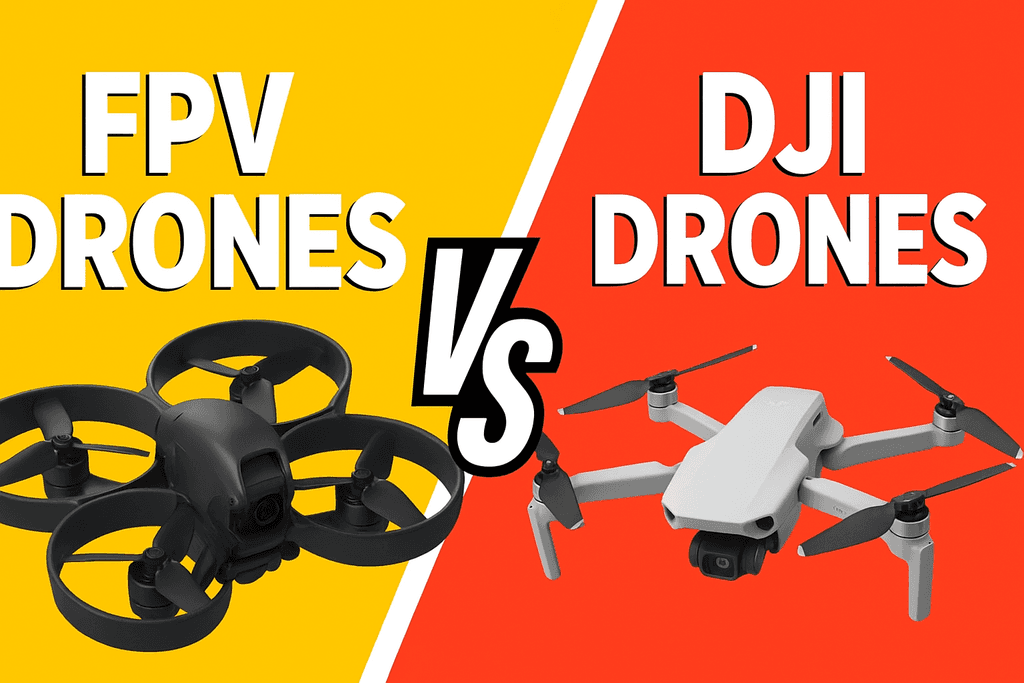
First-Person View (FPV) drone cinematography represents a revolutionary shift in how we capture moving images. Unlike traditional drones that are piloted from a third-person perspective, FPV systems allow operators to see exactly what the drone sees in real-time through specialized goggles. This creates an intimate connection between the pilot and the aircraft, resulting in footage that makes viewers feel like they're flying alongside the action rather than observing from a distance.
The technology has transformed everything from wedding videography to blockbuster film production, with skilled drone cinematographers in Delhi and worldwide pushing the boundaries of what's possible with aerial storytelling.
The Technology Behind FPV: Simple but Sophisticated
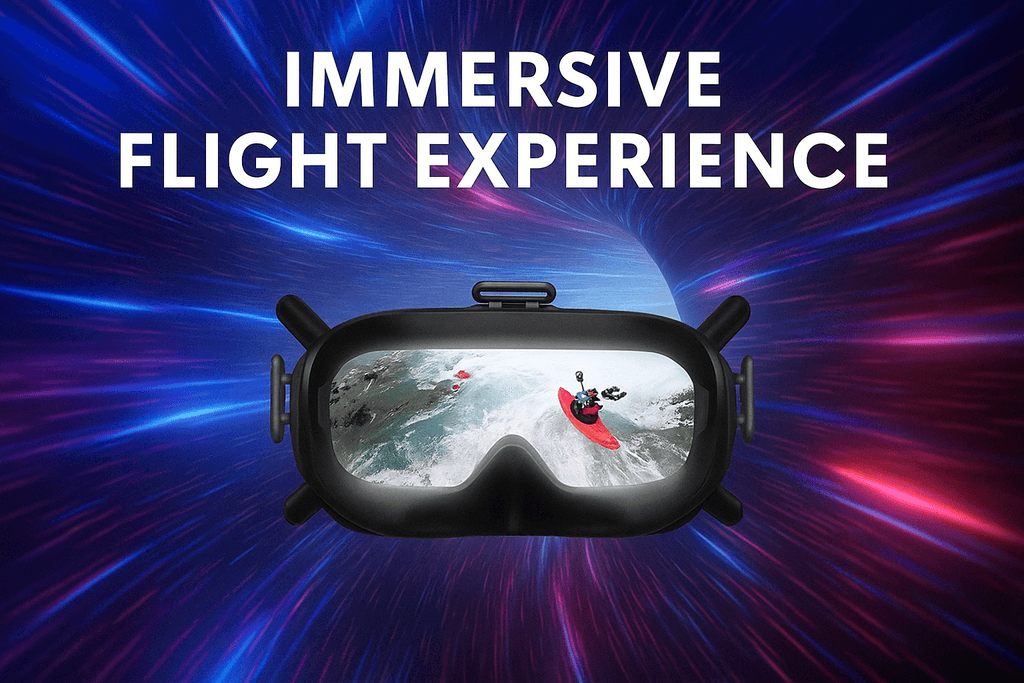
The magic of FPV cinematography lies in its core components working seamlessly together. The drone carries a high-quality camera alongside a separate FPV camera that transmits a live video feed to the pilot's goggles. These goggles create an immersive viewing experience, allowing the FPV drone pilot in Delhi to navigate complex environments with precision.
The controller system enables incredibly responsive flight characteristics, permitting acrobatic maneuvers impossible with traditional drones. Pilots can execute smooth tracking shots, dive through tight spaces, and perform dynamic movements that follow subjects with unprecedented fluidity. This responsiveness is what separates FPV from standard aerial cinematography – the drone becomes an extension of the pilot's vision and reflexes.
Why FPV Feels So Immersive
The immersive quality of FPV footage stems from its ability to mimic human perception and movement. Traditional aerial cinematography in Delhi typically involves static or slowly sweeping shots that establish scale and context. FPV, however, can weave through environments at varying speeds, creating a sense of presence that draws viewers into the scene.
The camera movements feel organic because they mirror how we might move through space ourselves – banking around corners, diving down slopes, or rising to reveal hidden vistas. This natural motion language triggers our spatial awareness, making us feel physically present in the footage rather than watching from outside.
Real-World Applications Transforming Industries
Sports broadcasting has been revolutionized by FPV technology. Major networks now use FPV drones in Delhi and globally to follow cyclists through mountain trails, track Formula 1 cars around circuits, and capture surfers riding waves from impossible angles. The 2022 Formula 1 season featured stunning FPV sequences that made viewers feel like they were racing alongside the drivers.
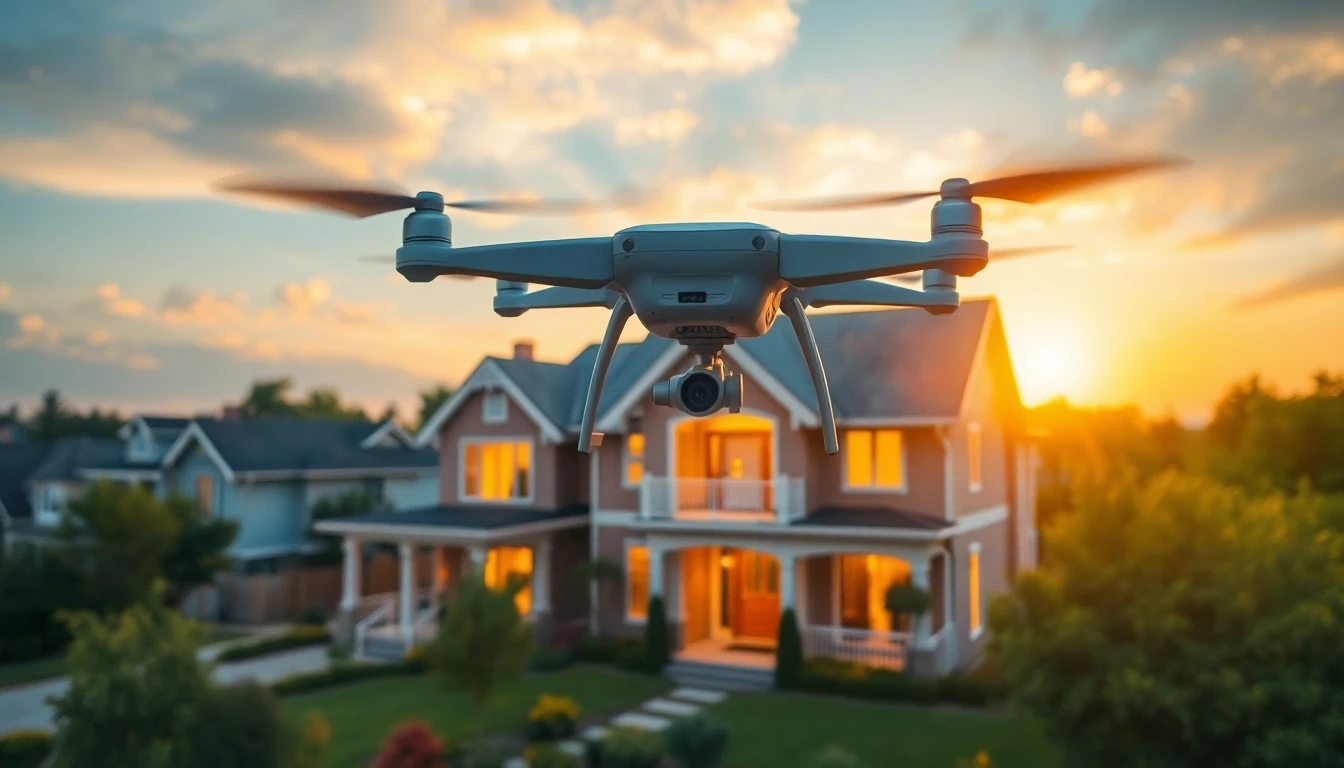
Concert and event coverage has similarly benefited from FPV's unique perspective. Artists like The Weeknd have incorporated FPV sequences into their music videos, creating seamless flights through concert venues that traditional camera work couldn't achieve. Real estate marketing has also embraced the technology, with drone pilots in Delhi creating compelling property tours that guide potential buyers through homes in a single, flowing shot.
Netflix's "Drive to Survive" series showcased how FPV can enhance storytelling, using dynamic drone sequences to capture the speed and intensity of Formula 1 racing. Marketing campaigns for major brands now regularly feature FPV sequences that create emotional connections with audiences through immersive storytelling.
Beyond Traditional Aerial Cinematography
While conventional aerial cinematography excels at establishing shots and grand reveals, FPV opens up entirely new narrative possibilities. Traditional drones maintain distance and perspective, but FPV can intimately follow subjects, dive through obstacles, and create seamless transitions between interior and exterior spaces.
The result is footage that doesn't just show the action – it places viewers directly inside it, creating an emotional engagement that transforms passive viewing into an active, visceral experience. This is why FPV drone cinematography has become an essential tool for modern visual storytelling.