The Evolution of Drone Cinematography: From Hobby Toys to Hollywood Films
Category:
TIPS
May 19, 2025
The journey of drone cinematography reads like a modern-day David versus Goliath story – where backyard hobbyists wielding remote-controlled aircraft eventually revolutionized how Hollywood captures motion. What began as weekend tinkering with toy helicopters has evolved into a multi-billion-dollar industry that's fundamentally changing the language of visual storytelling. Today, drone cinematography isn't just another tool in a filmmaker's arsenal; it's an entirely new grammar for cinema that's rewriting the rules of what's possible on screen.
The Humble Beginnings: Early Hobby Drones
The story begins in the early 2000s when radio-controlled enthusiasts started mounting lightweight cameras onto their flying machines. These early pioneers, often engineers and tech enthusiasts working in their garages, had no idea they were laying the foundation for a cinematic revolution. The footage was shaky, the flight times were limited, and the cameras were basic, but something magical was happening – angles that had never been captured before were suddenly within reach of everyday creators.
Early adopters faced numerous challenges: heavy camera equipment, limited battery life, and control systems that required genuine piloting skills. Yet these limitations bred innovation. The hobbyist community began sharing modifications, creating online forums, and pushing the boundaries of what these flying platforms could achieve. This grassroots movement was unknowingly creating the technical foundation for modern aerial cinematography.
Breaking into Professional Filmmaking
The transition from hobby to profession happened gradually around 2010-2012. Independent filmmakers began recognizing that drone shots could provide production value previously achievable only through expensive helicopter rentals. Films like "The Wolf of Wall Street" (2013) featured early drone cinematography, though it was still considered experimental and risky.
Professional adoption accelerated with the introduction of more stable platforms and better cameras. Suddenly, a $2,000 drone could capture shots that previously required $50,000 helicopter rentals. This democratization opened doors for smaller production companies and independent creators who could now compete with major studios in terms of visual spectacle. The industry began taking notice as drone footage appeared in commercials, documentaries, and feature films with increasing frequency.
Hollywood's Aerial Revolution
By 2015, major Hollywood productions were fully embracing drone technology. "Skyfall" (2012) had used early drone shots, but films like "Captain America: Civil War" (2016) and "The Revenant" (2015) showcased how drones could enhance storytelling rather than simply providing spectacular visuals. Directors discovered that drones could follow action in ways that traditional cameras couldn't, creating immersive experiences that pulled audiences directly into the scene.
The technology's impact extended beyond action sequences. Dramatic films began using subtle drone movements to convey emotion and atmosphere. The famous opening shot of "La La Land" (2016), while primarily achieved through traditional methods, inspired drone cinematographers worldwide to think beyond spectacle toward emotional storytelling.
The FPV Revolution: Engineering Meets Artistry
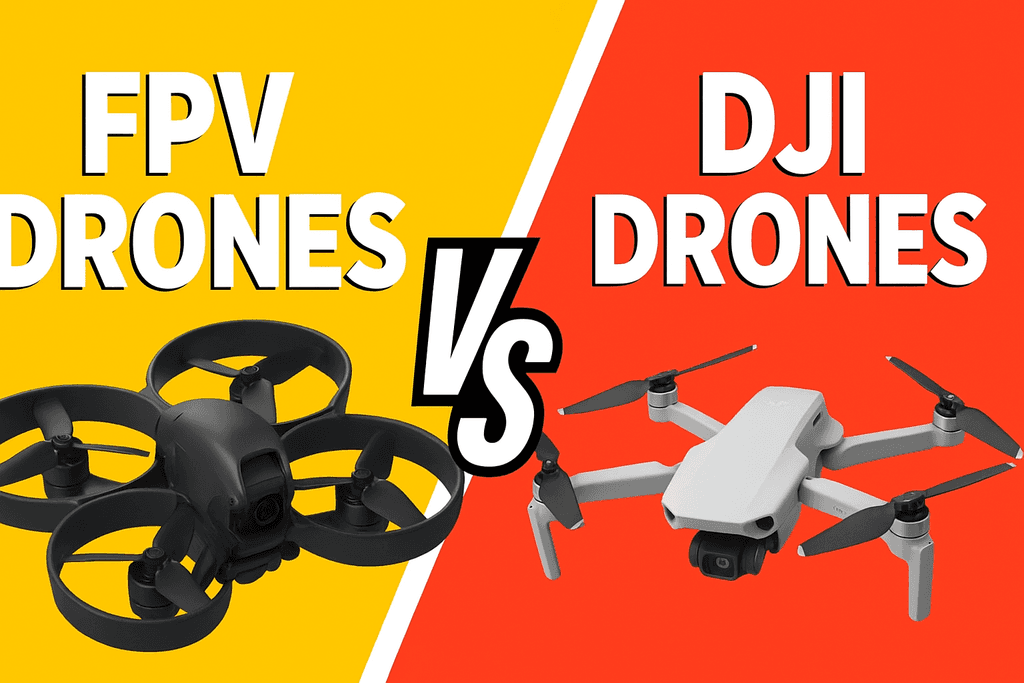
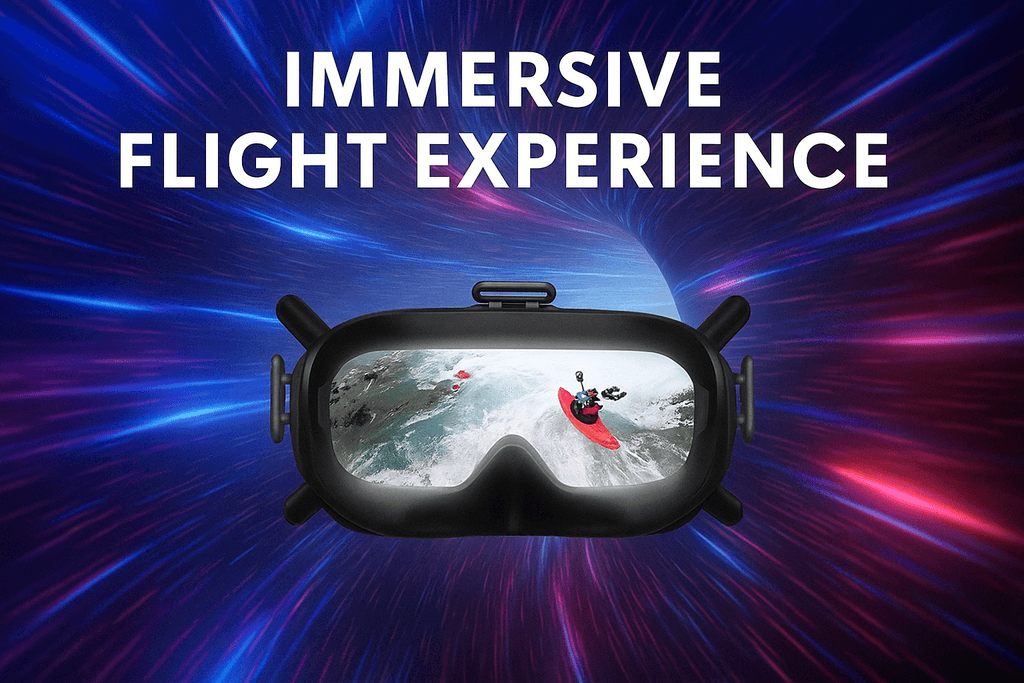
First Person View (FPV) technology marked the most significant leap in drone cinematography. Unlike traditional drone operation, FPV pilots wear goggles that provide real-time video feed from the drone's perspective, creating an almost telepathic connection between pilot and machine. This engineering-driven innovation, born from racing drone communities, has created filming possibilities that seem to defy physics.
FPV drones can navigate tight spaces, execute complex maneuvers, and capture seamlessly flowing shots that would be impossible with any other technology. The viral "One Take" advertisements – like the BMW commercial that flows through a factory or the recent real estate videos that glide through entire buildings – showcase FPV's unique capabilities. These aren't just technical achievements; they're creating a new cinematic language where the camera becomes an invisible, omnipresent observer.
India's Ascending Market: Delhi's Drone Cinematography Boom
The FPV revolution has found particularly fertile ground in India's expanding film and advertising industries. Delhi, as a major production hub, has seen remarkable growth in demand for specialized drone cinematography services. The capital's diverse architecture – from historical monuments to modern corporate campuses – provides ideal backdrops for aerial cinematography in Delhi.
Professional drone pilots in Delhi are pushing creative boundaries, combining traditional Indian storytelling with cutting-edge FPV techniques. Wedding cinematography, in particular, has been transformed by FPV drone pilots in Delhi who can capture intimate moments from impossible angles. The rise of drone cinematographers in Delhi reflects a broader trend where technical expertise meets artistic vision, creating content that resonates both locally and internationally.
Commercial productions are increasingly seeking FPV drone services in Delhi for projects ranging from Bollywood films to international brand campaigns. The city's drone cinematography community represents this perfect fusion of engineering precision and creative storytelling that defines modern aerial filmmaking.
The Future Takes Flight
Today's drone cinematography represents the complete evolution from hobby experiment to professional art form. What started as weekend projects by engineering enthusiasts has become an essential element of modern visual storytelling. The FPV revolution continues pushing boundaries, with new technologies like 360-degree cameras and AI-assisted flight patterns promising even more dramatic innovations.
The democratization of aerial cinematography means that tomorrow's breakthrough shots might come from anywhere – a film student's project, a wedding videographer's creative experiment, or an FPV pilot testing new techniques. The evolution continues, and the sky truly is no longer the limit.