FPV Drones vs DJI Drones: Which One Should You Choose for Cinematic Shots?
Category:
TIPS
July 8, 2025
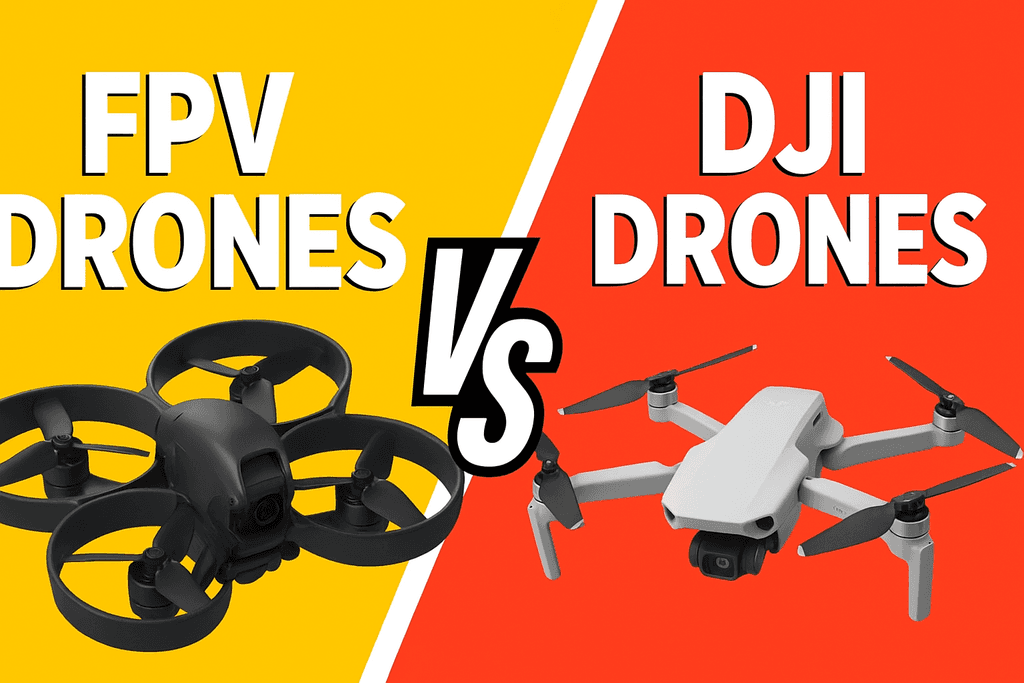
In the world of aerial cinematography, the debate between FPV (First Person View) drones and DJI drones continues to captivate filmmakers, content creators, and professional drone pilots worldwide. As aerial cinematography in Delhi and across India grows exponentially, understanding the distinct advantages of each platform becomes crucial for making informed equipment decisions. Whether you're a seasoned drone cinematographer in Delhi or just starting your aerial journey, this comprehensive guide will help you navigate the unique strengths and limitations of both drone categories.
Flight Characteristics and Control
Precision vs Agility
DJI drones excel in stability and precision control, making them ideal for traditional cinematic work. Models like the DJI Mini 4 Pro and Mavic 3 feature advanced GPS systems, obstacle avoidance sensors, and automated flight modes that ensure smooth, predictable footage. These characteristics make DJI drones perfect for establishing shots, slow reveals, and traditional camera movements that require consistent, repeatable results.
FPV drones, on the other hand, prioritize agility and manual control over automated stability. An experienced FPV drone pilot in Delhi can execute dynamic maneuvers impossible with traditional drones – diving through narrow spaces, performing barrel rolls, or creating fluid proximity flights around subjects. However, this requires significantly more skill and practice to achieve cinematic-quality results consistently.
Learning Curve Comparison
The learning curve differs dramatically between these platforms. DJI drones offer intuitive controls with automated features like ActiveTrack, Point of Interest, and Waypoint missions that help beginners capture professional-looking footage within hours of first flight. Safety features like Return-to-Home and automatic landing provide confidence for new pilots.
FPV flying demands hundreds of hours of practice to master smooth, cinematic movements. Most FPV drone pilots spend months in simulators before attempting real flights, and even longer to develop the muscle memory required for complex cinematic sequences. The reward, however, is unparalleled creative freedom and the ability to capture truly unique perspectives.
Camera Quality and Stabilization
Built-in Excellence vs Custom Solutions
DJI drones integrate professional-grade cameras with mechanical 3-axis gimbals as standard equipment. The DJI Air 3 shoots 4K HDR video with excellent color science, while the Mavic 3 Cine offers internal ProRes recording and a Hasselblad camera system. This integration ensures optimal image quality with minimal setup time.
FPV drones typically require custom camera solutions. While action cameras like the GoPro Hero12 Black provide excellent image quality, they lack the sophisticated color profiles and dynamic range of dedicated cinema cameras. However, FPV platforms can accommodate larger, more powerful cameras like the BMPCC 4K or Sony Alpha series with custom gimbals, offering potentially superior image quality for high-end productions.
Stabilization Technology
The stabilization approach differs significantly between platforms. DJI's mechanical gimbals provide incredibly smooth footage regardless of flight conditions or pilot skill level. This consistency makes DJI drones reliable for client work where predictable results are essential.
FPV drones rely heavily on post-production stabilization software like ReelSteady GO or Gyroflow. While modern stabilization algorithms produce impressive results, they require additional workflow steps and can crop the image significantly. Skilled FPV pilots learn to fly smoothly enough that minimal post-stabilization is needed, but this takes considerable practice.
Creative Capabilities and Shot Variety
Traditional Cinema vs Dynamic Innovation
DJI drones excel at traditional cinematic movements – smooth push-ins, pull-outs, orbital shots, and reveals. These platforms make it easy to achieve the polished, professional look expected in commercials, documentaries, and narrative films. For a drone cinematographer in Delhi working on corporate projects or weddings, DJI drones provide reliable, client-pleasing results.
FPV drones unlock creative possibilities impossible with traditional platforms. They can fly through tight spaces, follow subjects at high speeds, and create immersive "impossible" shots that seem to defy physics. The viral success of FPV chase scenes in films like "Top Gun: Maverick" demonstrates the unique storytelling potential of these platforms.
Indoor vs Outdoor Versatility
Indoor flying represents a significant differentiator. FPV drones, particularly smaller cinewhoop-style builds, can safely navigate indoor spaces, creating smooth tracking shots through buildings, around products, or following action sequences. Their lightweight construction and protected propellers minimize damage risks.
Most DJI drones struggle in indoor environments due to GPS dependency, larger size, and lack of adequate obstacle avoidance for tight spaces. While newer models like the DJI Mini series can fly indoors, they lack the agility needed for dynamic indoor cinematography.
Cost and Investment Considerations
Initial Investment Comparison
DJI drones offer relatively predictable pricing with complete, ready-to-fly packages. A professional DJI Air 3 costs around ₹1,20,000, while the flagship Mavic 3 Cine approaches ₹3,00,000. These prices include everything needed for professional operation – controller, chargers, case, and professional camera systems.
FPV setups vary dramatically in cost depending on requirements. A basic cinematic FPV drone might cost ₹80,000-₹1,50,000 for the aircraft alone, not including cameras, gimbals, or FPV equipment. High-end cinema FPV rigs carrying professional cameras can exceed ₹5,00,000. However, the modular nature allows for gradual upgrades and customization.
Ongoing Costs and Maintenance
DJI drones typically require minimal ongoing maintenance, with standardized parts and established service networks. Crash repairs are usually straightforward through authorized service centers, though costs can be significant for major damage.
FPV drones demand more frequent maintenance and part replacement due to their aggressive flying nature. However, the modular design makes repairs easier and less expensive. Many FPV pilots learn to build and repair their own aircraft, reducing long-term costs significantly.
Professional Application and Client Preferences
Commercial Viability
For most commercial aerial cinematography work in Delhi, DJI drones provide the reliability and consistency clients expect. Real estate photography, corporate videos, and event coverage benefit from DJI's automated features and predictable results. The professional appearance and smooth footage help justify premium pricing to clients.
FPV applications tend toward specialized, high-impact sequences where unique perspectives justify the additional complexity and cost. Music videos, action sequences, promotional content for extreme sports, and architectural showcases represent prime FPV applications. A skilled FPV drone pilot in Delhi can command premium rates for these specialized services.
Regulatory and Safety Considerations
DJI drones include comprehensive safety systems that help operators comply with DGCA regulations in India. Features like geofencing, automatic logging, and standardized remote identification support legal compliance for commercial operations.
FPV drones require more careful attention to regulatory compliance, as many lack built-in safety systems. However, their smaller size and lower weight often allow operation in areas where larger drones are restricted, providing access to unique filming locations.
The Verdict: Choosing Your Cinematic Partner
The choice between FPV and DJI drones ultimately depends on your specific needs, skill level, and creative goals. DJI drones excel for operators seeking reliable, professional results with minimal learning curve. They're ideal for traditional aerial cinematography, commercial work, and situations where consistency matters more than creative innovation.
FPV drones suit pilots willing to invest significant time in skill development for unique creative capabilities. They're perfect for specialized applications requiring dynamic movement, tight space navigation, or distinctive visual storytelling that sets projects apart from conventional drone footage.
Many successful drone cinematographers in Delhi maintain both platforms, selecting the appropriate tool for each project's specific requirements. This dual approach maximizes creative possibilities while ensuring reliable execution across diverse client needs.
Ready to elevate your aerial cinematography? Whether you choose the reliability of DJI or the creativity of FPV, success depends on understanding your tools and developing the skills to use them effectively. Consider your budget, time investment, and creative goals carefully – the right choice will empower your unique vision and help you capture the extraordinary perspectives that define compelling aerial cinematography.